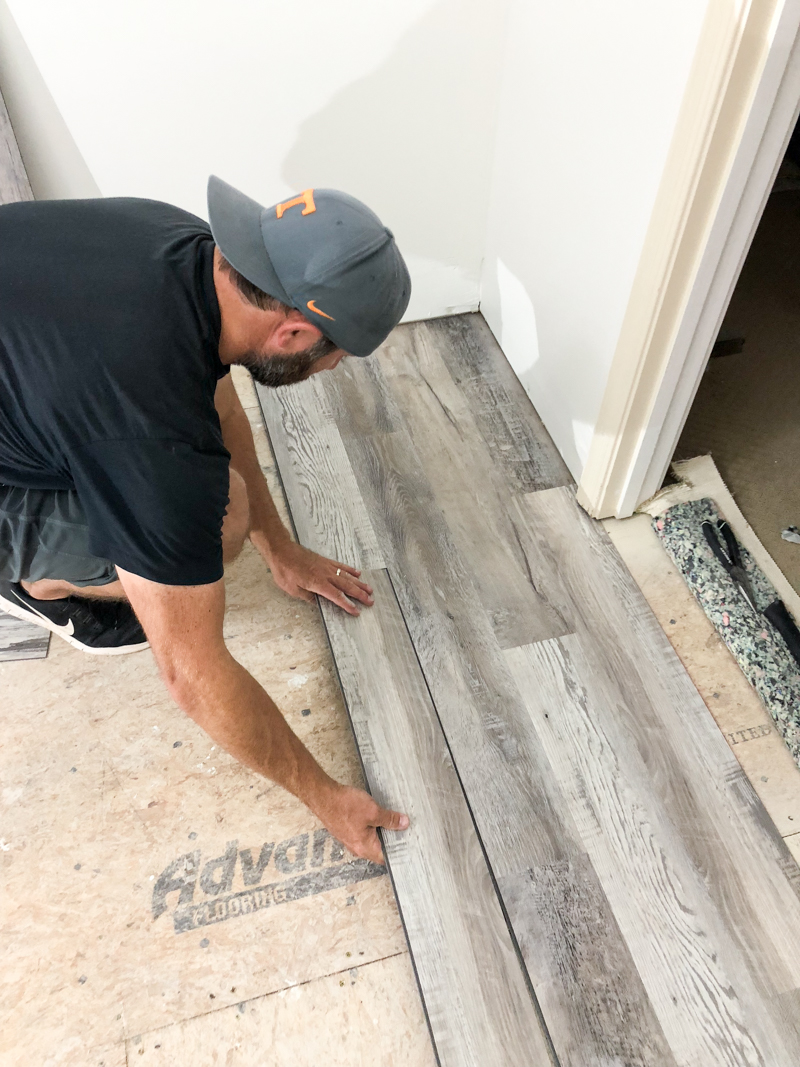
20 Definitive Ideas For Deciding On Floor Installation
Wiki Article
Why Subfloor Repair Is Crucial Prior To Any Flooring Installation
Subfloor repair can be the unglamorous component of flooring installation that people don't want to talk about as well as nobody wants to spend money on. It's hard to tell that the work has been completed, it doesn't photograph well in the same way, and adds expense to the homeowner's budget. Homeowners have generally already set in mind to certain numbers. It's, without doubt, the main factor in determining whether your new flooring will function the in the way it is supposed to, or begins failing within the first year. Philadelphia's housing stock such as rowhomes or twins, old colonial homes throughout Bucks County, Delaware County ranches with crawlspaces are particularly susceptible to subfloor issues which are not discovered until a brand new floor is put down and is revealed. What every homeowner should know before installing.
1. The Subfloor is what your new Floor Is Actually Attached to
This is a common sense idea, but often gets lost in the excitement of selecting materials. If you're installing naildown hardwood, glue-down LVP floating laminate or porcelain tile finished floor is only as sturdy as what's beneath it. A subfloor that has soft spots, flex, moisture damage, or level variation will not go away once the new flooring is installed -in fact, it broadcasts all issues upwards, typically within months. Licensed flooring installers evaluate the subfloor before considering anything else for exactly this reason.
2. Philadelphia's older homes have subfloor Condiments that Surprise Contractors
Houses built before 1960 across Philadelphia, South Jersey, and the surrounding counties frequently include diagonal boards rather than plywood -- an approach to construction that was common at the time but creates real complications for the installation of contemporary flooring. Board floors are more prone to slipping, and include gaps within planks, and generally require an overlay of plywood before installation of hardwood or tiles is viable. Contractors that don't highlight this in the estimate didn't do their homework or are planning to work around it to avoid problems in the future.
3. Soft Spots Can Be a Warn Signal, Not an Perfusal
A swollen spot on your subfloor - the area that gives a little when you walk on it, typically indicates it's a sign of moisture damage, rot or delamination of the floor material. Installing new flooring over the soft spot won't repair the issue, it simply hides it temporarily while the damage continues underneath. If you are installing hardwood floors for Philadelphia specifically, the soft spots pose a real threat to the staple or nail hold that holds the floor in place. Flooring that begins to lift and squeaking or breaking away from the subfloor typically results from a soft area that was not dealt with prior installation.
4. The variation in level affects every flooring Type differently
The majority of flooring companies specify a maximum permissible variation in subfloor flatness -- commonly 3/16 of an inch over a 10-foot span. This tolerance is exceeded affects the different kinds of materials in different ways. Tile flooring isn't the most resistant to damage: high spots split tiles, and low spots chip grout lines and a subfloor that is uneven under large-format porcelain is an assurance of callbacks. LVP handles minor variations better than the majority, however significant cracks or ridges show in time. Hardwood signals unevenness by displaying hollow spots and movements. Subfloor leveling compound or targeted grinding is the answer and avoiding them is the problem.
5. The moisture in the Subfloor is a distinct problem in comparison to the Humidity of Households
These are two separate problems which require different solutions. Ambient indoor humidity affects the way wood flooring expands according to season. Subfloor moisture -in the form of vapor transmission through concrete, wicking through old board subfloors or even residual dampness that has accumulated from leaks directly harms the bonds of adhesive, causing floating flooring to curve, and promotes mold growth beneath flooring that is finished. An accurate moisture measurement prior to finishing the flooring of Philadelphia homes is an essential procedure. On projects where this isn't done the contractor assumes instead of knowing what's going on.
6. Concrete Slabs Require Moisture Testing Prior to gluing-down installation
A glue-down hardwood or LVP installation on concrete is a common feature for Delaware County and South Jersey homes built on slabs. What's less commonly communicated to homeowners is the fact that concrete slabs release moisture vapor continuously, and how much can be crucial for the durability of the adhesive. One slab who passes a visual inspection could still fail a calcium chloride test or a relative humidity test. Flooring adhesives applied to surfaces with high combustion of vapors can break the bond, sometimes within one year -- and the floor will start to shift, bubble or even split.
7. Subfloor Repair Costs Cannot Be Estimated to Estimate Without Looking
That's why the most reputable flooring contractors will not give you an upfront price when you call them. Subfloor repair in Philadelphia may range from a simple patch of plywood for $200 to a few dollars per square feet across an extensive area that has moisture damage. Only way to be sure is to visit the site and make a an accurate assessment. Owners who insist on an all-inclusive price before anyone examines the subfloor are creating conditions wherein the contractor has to construct a substantial allowance or makes a sloppy decision when problems do arise in mid-project.
8. The Installation of Tiles is the Most Affirmative Test of Subfloor Integrity
Ceramic tile as well as porcelain have no flexibility -- they transfer stress directly onto the bond beneath them. Subfloors that exhibit substantial flex is likely to crack grout and tile no matter which way the tile itself was installed. The basic requirement for installation of tile includes a subfloor construction that is sturdy enough to satisfy standard of deflection that engineers describe as L/360which means that a 10 foot span can not deflect more that 1/3 of an inch when under the load. Older Philadelphia properties often fall short of this, without any reinforcement. The failures of installing bathroom tiles in older homes are nearly all a subfloor sturdiness issue in disguise.
9. Securing the Subfloor Today Protects the Refinishing Value Later
One of hardwood flooring's primary benefit over time is the capability to make it possible to sand and polish it multiple times in the span of a few decades. The advantages are lost when the subfloor beneath it is compromised. Floor sanding and refinishing is a major undertaking in Philadelphia requires a solid well-fastened floorwhich doesn't move or flex beneath the equipment used for sanding. Subfloor problems that seemed to be manageable during the installation process become major issues once refinishing efforts are initiated some time later. Properly fixing the subfloor from the beginning ensures that it is protected for any future service that the floor is ever going to require.
10. The contractors who find subfloor Problems Are the ones to consider to hire.
This may be counterintuitiveit's not everyone's idea to be told that their work has just become much more costly prior to when it began. However, a flooring company that visits your property, determines flooring issues, and adds repair in their scope is doing exactly what a professional needs to do. If they don't mention the issue, or quote a price that is low or begin laying flooring on a subfloor they've damaged are the ones who receive the bad reviews a few months later. If you're receiving flooring estimates in Philadelphia in the first place, the level of inspection before the quote is written covers everything you'll need to know about how the installation will go. Take a look at the top
hardwood floor installation Bucks County for site advice including luxury vinyl plank installation Philadelphia, luxury vinyl flooring Philadelphia, flooring installation Montgomery County PA, hardwood flooring Philadelphia, flooring installation Philadelphia, hardwood floor resurfacing Philadelphia, vinyl plank flooring Philadelphia PA, flooring contractors Philadelphia PA, wood floor restoration Philadelphia, laminate flooring installation Philadelphia and more.
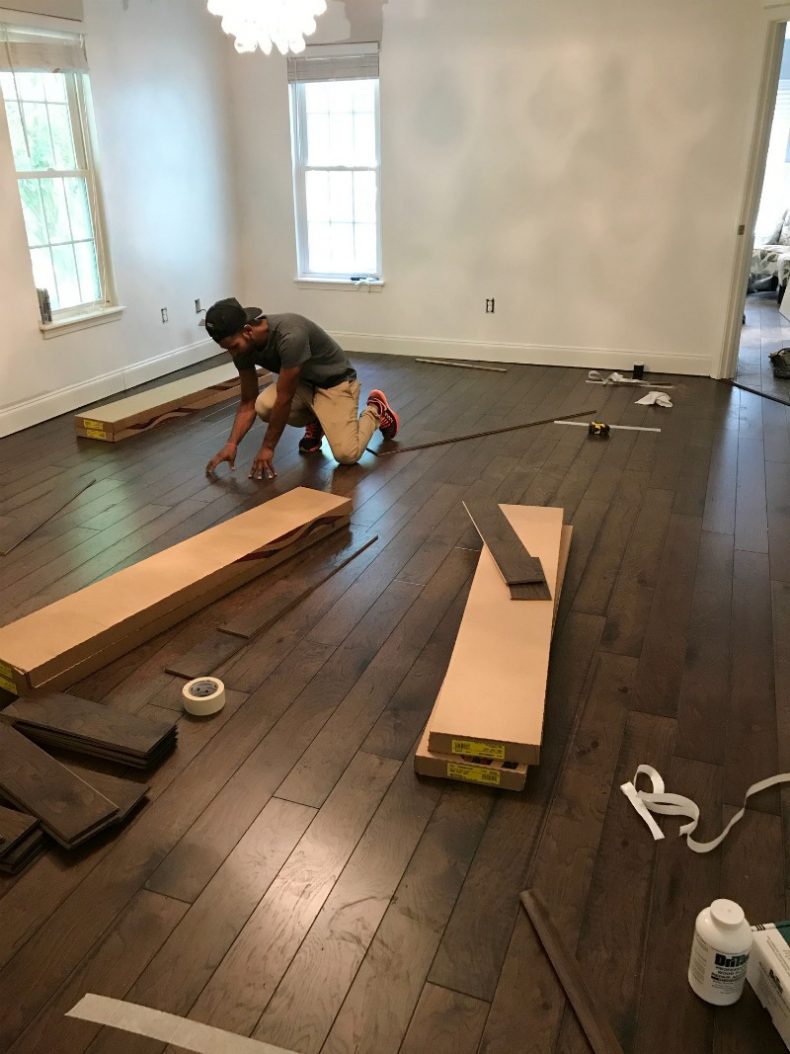
Tile Is Different From. Laminate: The Best Choose For Philly Kitchens
The choice of flooring for your kitchen in the Philadelphia home has more importance over other rooms because kitchens here are a hive of activity. Rowhome kitchens that function as social hubs galley kitchens in older twins that are prone to constant pedestrian traffic, open-plan kitchens in newly renovated Delaware County colonials -- they all face the same challenges at their core: the elements of drop, water and grease, and years of use. Tile and laminate show frequently in flooring estimates across the Philadelphia metro, and both have arguments to support them. However, they're different, and choosing the wrong one for a kitchen can be obvious faster than it would be in any other area of the home. Here's the way that the comparison will be able to be explained.
1. Water Resistance is the 1st Filter and Tile wins It Cleanly
Kitchens get wet. Dishwashers leak, sinks spill and glasses are thrown over, and the mop wetness is longer than it is supposed to. Porcelain and ceramic tile have a 99% resistance to water near the surface. the danger, if any is contained in the grout, which is addressable with proper sealing. Laminate is made of wood fiber which absorbs moisture from the moment it enters beneath the surface layer. And in a kitchen, this occurs eventually. As laminate expands, it can be seen at edges or the seams of the floor, the result is permanent, and the flooring will need to be replaced. Flooring that is waterproof in a Philadelphia kitchen is a good target, but laminate fails to comply with the criteria.
2. Laminate has a lower entry Cost but a Shorter Kitchen life span
It is here that laminate makes its strongest case. Flooring made of laminate in Philadelphia kitchens always comes in lower than tile, the material is less expensive, it's faster construction, and doesn't require mortar or grout. If you're a homeowner on a tight budget and who require a kitchen flooring that looks attractive now, laminate may be appealing. However, the real benefit is its longevity. A tile that is properly installed in an Philadelphia kitchen could last 20 to 30 years without any significant effort. Laminate is used in the same area, being exposed to the conditions of moisture that kitchens bring, often develops problems after 5-10 years.
3. Porcelain outperforms Ceramic under High-Traffic Kitchen Conditions
Different tiles do not work for kitchen use. Porcelain tiles are more dense, hard and less porous than ceramic -- it handles cast iron pans that have been dropped or chair legs as well as continual foot traffic much better over the course of. Ceramic tiles are a viable option for kitchens in particular smaller kitchens where traffic is an important factor, but the density difference will be important in a kitchen that can take as much abuse as a kitchen does. Philadelphia flooring contractors who perform large amounts of kitchen tiles installation will typically steer one to use porcelain unless the cost is a primary concern.
4. Laminate Comfort Underfoot Is a real benefit
It's not given enough credit in the tile vs. laminate conversation. Tile is cold and hard -- and standing on it for an extended cooking session is noticeably more taxing than laminate, which has a little cushioning and can be warmer underneath. In a Philadelphia rowhome where the kitchen floor lies on top of an uninsulated basement, ceramic tile in winter can be genuinely unpleasant without radiant heat beneath. Laminate may not solve all kitchen flooring problems, but it can solve this one, and for homeowners that spend a lot of time in their kitchens, it's important quality of life aspect.
5. Maintaining Grout is the best Negative of Tile
Tile is a winner in durability and water resistance, however grout is a problem. When grout is not sealed, or has a long-lasting age, it in the kitchen absorbs grease bacteria, and stains. In order to keep the tile floors good requires sealing grout prior to installation and regular resealing throughout time to extend the life of the floor. Philadelphia tile flooring contractors who have this information available will do you the favor of. People who buy tile thinking minimum maintenance are usually the ones who end up with grey grout lines which were initially white.
6. Large Format Tiles Can Change the look and feel of your kitchen as well as the Subfloor Requirements
Large porcelain tiles which are 24x24 or more These tiles are becoming increasingly popular in Philadelphia kitchens, and they make a stunning impression in the right space. The practical catch is that large format tile is more demanding on subfloor flatness over smaller tiles. Any variation in the subfloor shows as lippage -- edges that are slightly different heights -- which can be both a visual issue as well as a danger to the pedestrian. Subfloor repair before large format kitchen tile installs in Philadelphia kitchens is generally necessary and can result in a cost that does not get included in a materials-only estimation.
7. Laminate Will Not Refinish Once It Gets Worn
Hardwood flooring for kitchens less popular, yet not uncommon -- can be sanded and then refinished in the event that the surface is worn. Tiles may be repaired individually or have cracked tiles replaced. Laminate offers neither option. When the wear layer on laminate breaks down, and it can happen faster in a kitchen when compared to bedrooms, the flooring must be replaced. In the case of homeowners who want to remain in a Philadelphia home for more than 15 years, laminate's ability to repair itself is a serious long-term expense that the lower initial cost isn't always compensate for.
8. LVP Is the Third Option Both Comparisons Keep Pointing Toward
It's worth mentioning explicitly it: luxury vinyl planks are resistant to water, is warmer and more comfortable than laminate and is more durable in kitchen conditions than or in relation to the particular combination of foot traffic and moisture. LVP flooring usage in Philadelphia kitchens is growing significantly due to it removing the central tension between the two options the majority of homeowners are comparing. It's certainly not the ideal choice for every kitchen and it's also the reason that the tile compares to. laminate conversation increasingly ends by a flooring expert recommending a third option.
9. The Installation Time varies a lot between the Two
Laminate kitchen flooring comes in quickly. A small to medium size kitchen can generally be finished in a day. Installation of tiles can take longer as the time for setting mortar the grout curing process, the precision needed for layout and cutting can add to. For Philadelphia homeowners looking to build a efficient kitchen to be back in place quickly, laminate has a practical benefit in scheduling. For those who are involved in a larger renovation of their kitchen in which the timeframe is already extended, tile's demands for installation diminish when making a final decision.
10. The Kitchen's Existing Subfloor Will Inspire the Final Call
More than aesthetics, more than budget, and more about personal preference The quality and condition of the subfloor in your Philadelphia kitchen should be a principal factor in the kind of flooring you select. A solid, flat and smooth plywood subfloor allows for a variety of options, including large format tile. A subfloor with a diagonal design that is older might require an overlay prior to tile becoming viable, and the cost affects the budget. A slab of concrete below grade could alter the water conversation completely. The most reliable flooring firms in Philadelphia are able to evaluate the kitchen subfloor first, and allow that assessment to inform the recommendations rather than going with what they're able to find in the warehouse. Follow the top rated Take a look at the top rated ceramic tile flooring Philadelphia for more info including tile flooring installation Philadelphia, LVP flooring contractors Philadelphia, engineered hardwood installation Philadelphia, laminate floor contractors Philadelphia, hardwood floor installation Bucks County, licensed flooring installers Philadelphia, nail down hardwood flooring Philadelphia, solid hardwood floor installation Philadelphia, hardwood floor refinishing Philadelphia, hardwood flooring Philadelphia and more.